Audio-Visual Event Production Company vs Traditional Event Planning
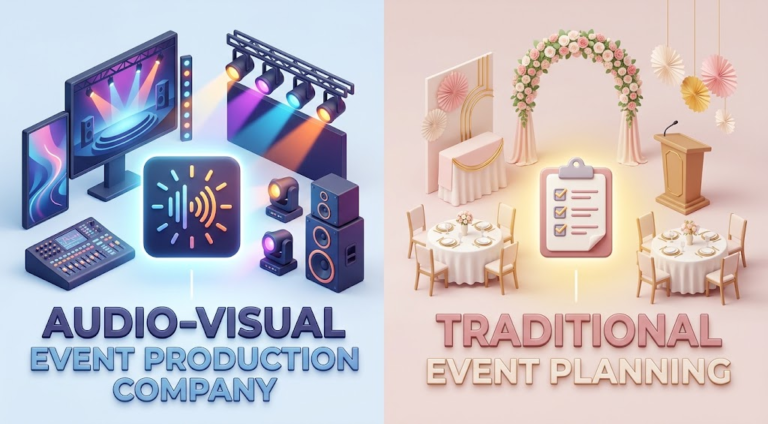
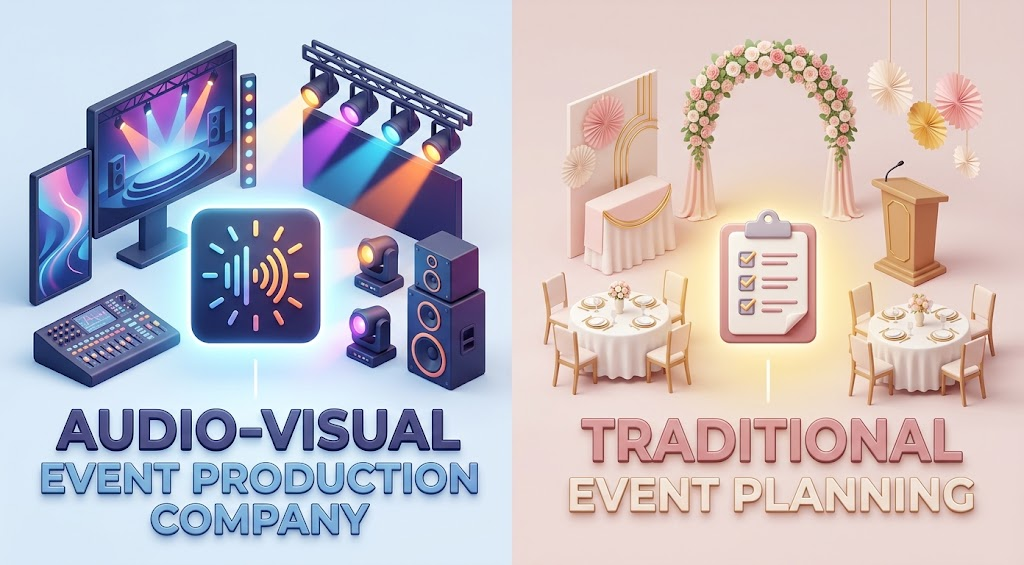
The landscape of event planning is undergoing a seismic shift with the advent of advanced audio-visual technologies. An Audio-Visual Event Production Company leverages cutting-edge tools like Line Array Speakers and Wireless Microphone Frequency Coordination to craft immersive and engaging experiences. Contrast this with the more conventional approach of Traditional Event Planning, which relies on established practices and methods. This article delves into the comparative advantages of each approach, focusing on how they influence attendee engagement and overall event success. We’ll explore the unique benefits and potential limitations of both, helping you determine which method aligns best with your event needs.
Audio-Visual Event Production: Redefining Event Experiences
Audio-visual event production is increasingly becoming the gold standard in the industry, transforming the way events are experienced. With the integration of sophisticated technology, an Audio-Visual Event Production Company can offer an unrivaled level of engagement. For instance, the role of an Audio Visual Technician is crucial in setting up and managing complex systems like Sound Reinforcement Systems and Distro Patch Bays, ensuring clear and impactful sound throughout the venue.
Advanced tools such as Acoustic Treatment Panels and Stage Plots are employed to optimize sound quality and visual appeal, creating a more immersive environment for attendees.
Moreover, the Event Production Coordinator meticulously plans every detail, from the Event Load-In Schedule to the implementation of Cue Sheets, ensuring a seamless execution. A recent study by Event Manager Blog highlighted that events using advanced audio-visual elements see a 30% increase in attendee satisfaction.
Ultimately, the integration of these technologies not only enhances the sensory experience but also facilitates a memorable and engaging event atmosphere that traditional methods may not achieve.
Traditional Event Planning: A Time-Tested Approach
Despite the rise of audio-visual innovations, Traditional Event Planning remains a reliable and effective approach, especially for events where simplicity and direct human interaction are prioritized. This method often involves a straightforward execution with a focus on logistics, catering, and venue management, ensuring that all traditional elements are in place and functioning smoothly.
One of the key elements of traditional planning is the pre-event Rider Agreement, which outlines all the necessary requirements and expectations of performers or speakers. Additionally, the use of Pre-Production Meetings allows planners to coordinate all aspects of the event beforehand, ensuring that everything runs according to plan. The focus on core event fundamentals often leads to a well-organized and predictable event experience.
While this approach may lack the technological flair of audio-visual production, it excels in delivering a classic, reliable, and often more cost-effective event structure.
Comparing Engagement and Interaction Levels
Engagement and interaction are pivotal metrics in assessing the success of any event.
Audio-Visual Event Production Companies, with their advanced setups, often facilitate higher levels of audience interaction. The use of a FOH Mix and Signal Flow Diagrams enhances audio clarity and distribution, allowing for a more dynamic experience. Interactive technologies like real-time polling and social media integration can further boost participant engagement.
Traditional Event Planning, on the other hand, relies heavily on personal interaction and the physical setup of the event space. Attendees often appreciate the personal touch and direct interaction afforded by this method, which can foster a sense of community and connectedness.
Ultimately, the choice between these approaches hinges on the specific goals of the event. For instance, an Experient report showed that events with interactive technology saw a 25% increase in audience retention, suggesting a strong case for the audio-visual approach in scenarios where engagement is a priority.
Choosing the Right Approach for Your Event Needs
Determining which method best suits your event depends on several factors, including budget, audience demographics, and event objectives. An Audio-Visual Event Production Company may be ideal for events aiming to dazzle audiences with technological innovation and high engagement levels, particularly where complex audio setups like Backline Equipment Rentals are needed.
Conversely, if your event prioritizes traditional networking and face-to-face interactions over technological spectacle, a traditional planning approach might be more appropriate. Thismethod is often more straightforward and cost-effective, focusing on the essentials without the need for high-end technology.
Ultimately, the decision should be guided by the event’s specific goals and the kind of experience you wish to deliver to your attendees.
Conclusion
The choice between an Audio-Visual Event Production Company and Traditional Event Planning depends largely on your event’s objectives and audience expectations. Audio-visual production offers a cutting-edge experience that can significantly boost engagement, while traditional planning provides a reliable, cost-effective framework for simpler events. Evaluate your needs carefully to ensure the approach you choose delivers the best possible experience for your attendees.
About the Author